Jacksonville Beach occupies the northern half of San Pablo Island, a barrier island separated from the mainland by the Intracoastal Waterway and reached only by bridge. It sits essentially at sea level, with the Atlantic on one side, tidal water on the other, and most of the city's territory actually being water. That geography makes it a wonderful beach town and a demanding place to own property: ocean surge, wave action and wind-driven rain come from the east, tidal flooding creeps in from the Intracoastal side, and the same plumbing failures that hit any Florida home hit here too. Water Damage Florida provides 24/7 water damage restoration across Jacksonville Beach.
The island's isolation shapes how we work. When bridges close during a storm, emergency services cannot reach the island, and only a minority of residents left for Hurricane Matthew even so. We plan for that reality by staging crews to move the moment access reopens, and by bringing every piece of equipment a job might need on the first trip rather than relying on a quick run back to the mainland. Call (888) 435-4769 whenever water shows up, day or night.
Emergency Response on a Barrier Island
Emergency water damage in Jacksonville Beach comes in two rhythms. In quiet weather it is the familiar list: a water heater in a beach cottage, a washing machine hose in a townhouse, a supply line in a condo sending water into the unit below, a roof leak found after a summer squall. In storm weather the calls arrive all at once, from oceanfront buildings that took surge on the ground floor, from Intracoastal-side streets where the tide rose over the curb, and from homes where wind-driven rain came through windows and sliding doors.
Either way, the sequence is the same: stop the source, remove the standing water, and get air movers and dehumidifiers running before moisture wicks up the walls. Crews arrive with pumps for garages and ground floors, extractors for interior rooms, and drying equipment sized to the building. Photographs and moisture readings begin immediately so your claim starts with a clean record. Our emergency water damage page explains what we will ask when you call.
Restoring Beach Cottages, Townhouses and Oceanfront Condos
Restoration is the whole path from a wet building back to a finished one, and on the island it has to account for salt, sand and wind as much as water. Once the standing water is out, we survey every wet material with meters and thermal imaging and sort it into what can be dried where it stands and what must be removed. Drywall, baseboards, cabinet bases, carpet pad and laminate flooring are the usual losses; block and slab construction generally survives once the finishes are opened up, and elevated homes usually take their worst damage in the enclosed space below the living floor.
Drying in a beach town means fighting the ocean air. We keep the building closed, run refrigerant dehumidifiers matched to the volume of the space, and log readings daily until each material meets its dry standard. Where salt water was involved we rinse block and slab before drying so residue does not keep drawing moisture out of the air later. Only when the numbers say dry do we move on to cleaning, treatment where the water category calls for it, and rebuild.
Surge and Tidal Flood Cleanup in Jacksonville Beach
The city's storm record is a list of lessons. Hurricane Floyd in 1999 destroyed the pier, which was rebuilt years later. Hurricane Matthew in 2016 brought hurricane-force winds, a mandatory evacuation, major flooding and partial destruction of the pier again, with the nearby Mayport gauge recording one of its highest water levels on record. Tropical Storm Fay in 2008 and Hurricane Irma in 2017 also left their marks, and in 2024 the heaviest rain from Hurricane Milton anywhere in Duval County fell on Jacksonville Beach. Surge from the ocean and tidal flooding from the Intracoastal are both part of life here.
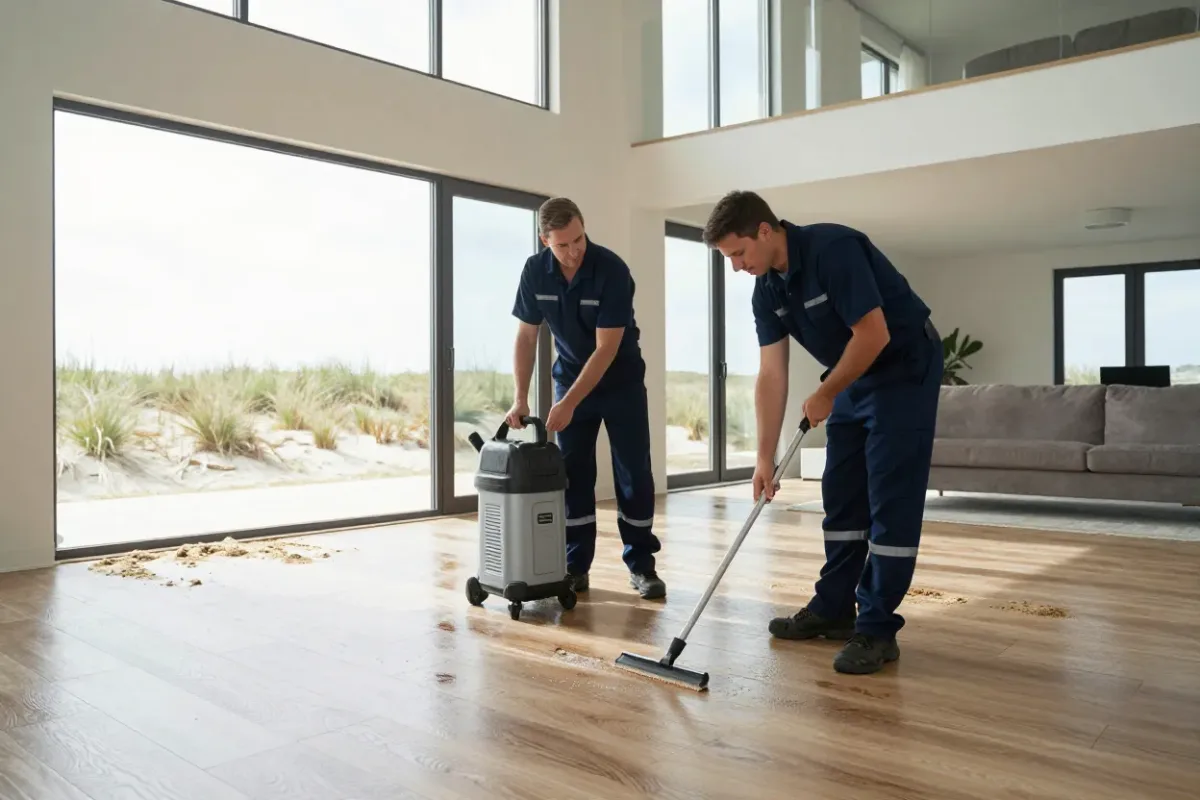
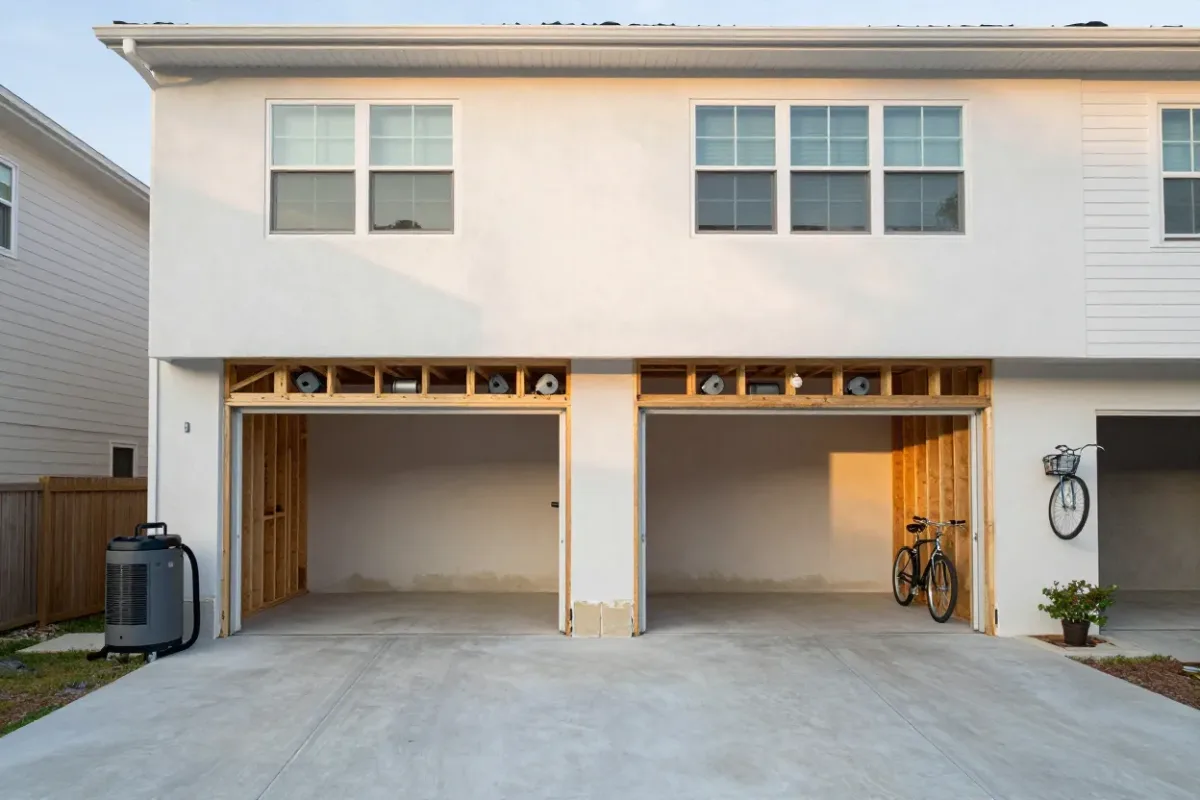
Ocean, Intracoastal and street water is treated as contaminated, and sand and salt come with it. Flood restoration means pumping out what remains, shoveling and vacuuming sand and silt, removing saturated porous materials rather than drying them, rinsing salt from hard surfaces, disinfecting, and running air filtration while the structure dries. Ground-floor garages, storage rooms, lower-level bonus rooms and first-floor condo units get the most attention because that is where surge settles.
Repairing Water Damage Once Drying Is Verified
Repair on the island begins only after moisture readings confirm the structure is dry. Typical work includes replacing cut drywall and baseboards, rehanging or replacing lower cabinets, reinstalling flooring, repainting, and replacing exterior doors, sliders and trim that swelled or corroded after salt water. In elevated homes we rebuild the enclosed lower level, and in oceanfront condos we restore ground-floor units and common areas in coordination with the association.
We build the repair scope from the moisture logs and photographs gathered during mitigation, so your adjuster sees exactly what the water did and where. For rentals and second homes, we can coordinate with a property manager on access and scheduling and send progress photos and a final walkthrough to an owner who is elsewhere.
Mold Removal for Island Properties
Salt air keeps humidity high on San Pablo Island year-round, so any material left wet in a closed building, whether after a storm or a slow leak, can support mold growth within days. The usual trouble spots are ground-floor drywall that took tidal water, the backs of kitchen and bathroom cabinets, closets sharing a wall with an air handler, and window and slider frames where wind-driven rain gets in repeatedly.
Our mold remediation work corrects the moisture source first, contains the affected area with plastic sheeting and negative air, removes and bags contaminated porous materials, HEPA-vacuums and cleans remaining surfaces, and dries the space fully before rebuilding. We never spray over growth and call it finished. If a room in your beach home was wet once and simply dried on its own, read about where hidden mold forms after water damage before you repaint.
Common Sources of Water Damage at the Beach
Living at sea level on a barrier island means the sources of water damage are a little different from the mainland. The ones we see most often in Jacksonville Beach include:
- Atlantic storm surge and wave action into oceanfront ground floors, garages and lower enclosures
- Tidal flooding along the Intracoastal side of the island during high tides and tropical systems
- Wind-driven rain through windows, sliding glass doors and roof penetrations during named storms
- Heavy tropical rainfall overwhelming street drainage on a flat island with nowhere to send the water
- Water heater, washing machine and supply line failures in cottages, townhouses and condo units
- Air conditioning condensate line clogs and drain pan overflows in homes cooling against salt air
- Leaks in vacation rentals and second homes that run unnoticed between occupancies
- Corroded fittings and valves failing after years of exposure to salt air
Our Process From Extraction to Final Check
Every Jacksonville Beach job follows the same order, from a one-room leak to a surge-flooded ground floor. Skipping the verification steps is how a rebuilt wall ends up wet again.
- Inspection and moisture mappingWe identify the source, classify the water as clean, gray or salt, and trace the full extent of wetting with meters and thermal imaging, including lower enclosures and adjacent units.
- Pump-out and extractionSubmersible pumps clear garages and ground floors; portable extractors pull water from tile, carpet and pad inside the living space.
- Removing sand, silt and ruined materialsSaturated drywall, wet insulation, carpet pad and swollen cabinet bases are cut out and bagged, and sand and silt are removed before drying starts.
- Structural drying and dehumidificationAir movers and dehumidifiers run inside the closed building, with daily readings logged until every material reaches its dry standard.
- Cleaning and salt rinseSurfaces touched by surge, tidal or contaminated water are rinsed, cleaned and treated, with air filtration running throughout.
- DocumentationPhotos, the moisture log and a written scope are compiled for you, your carrier and, in a condo, the association.
- RebuildDrywall, trim, cabinets, flooring, doors and paint are rebuilt so the repaired rooms match the rest of the house.
- Final verificationA final round of moisture readings and a walkthrough, in person or by video for absent owners, confirm the job is complete.
Where We Work in Jacksonville Beach
We serve the entire city, from the oceanfront downtown around the pier and boardwalk to the residential streets running west toward the Intracoastal Waterway, and every kind of property on the island: cottages, townhouses, single-family homes, vacation rentals and oceanfront condominiums.
Nearby Communities
Our crews cover the other Jacksonville Beaches communities on San Pablo Island as well as the mainland and the coast to the south. Several nearby cities have their own pages:
What to Do Before the Crew Arrives
On an island where help can be delayed by a closed bridge, the first steps you take matter even more. These are safe for most households.
- Stop the water at the sourceClose the fixture valve or the main. In a condo, notify management so the riser can be shut if necessary.
- Do not wade into water near electricityStay out of a flooded garage or ground floor if outlets, cords, appliances or the panel could be in contact with water. If the panel is dry and you can reach it without wading, you can switch off power to the affected area.
- Treat ocean and tidal water as contaminatedKeep people and pets out of it, avoid skin contact, and do not run household fans over it.
- Lift what you canMove rugs, electronics and furniture off wet floors, and slide foil or blocks under pieces that must stay.
- Document everythingPhotograph the water line, the source and each affected room before moving or discarding anything.
- Keep the building closed and cooledLeave the air conditioning on and windows shut so salt air does not slow drying.
- Call and tell us about accessReach (888) 435-4769 with the source, how long it has been wet, and whether bridges, gates or a property manager affect how we get in.
Before hurricane season, read our hurricane water damage recovery guide. After a storm, the first 24 hours after a flood checklist covers what to do while waiting for the island to reopen.
Jacksonville Beach Water Damage Questions
The bridges were closed during the storm. How soon can you reach the island?
We stage crews to move as soon as access reopens and bring everything a job needs on the first trip. Call as soon as you know you have water so you are in the queue when the bridges open.
Does salt water damage differ from a regular plumbing leak?
Yes. Salt water is contaminated and corrosive, so porous materials it touched come out rather than dry, hard surfaces are rinsed and disinfected, and electrical components, appliances and metal hardware it reached should be inspected. A clean supply-line leak leaves far more to save.
Can you handle an oceanfront condo where surge hit several ground-floor units?
We can. We coordinate with the association and management, treat the affected units and common areas as one project, and document each unit separately so every owner has a record for their own claim.
My rental took water and I am out of state. What do you need from me?
A way in, usually through your property manager, and a phone number. We photograph and log everything, send the scope for your approval, keep you updated, and close with a video walkthrough.
How long does drying take in the beach air?
Clean-water losses typically dry in a few days in a closed, dehumidified building. Surge-flooded ground floors take longer because removal comes first. The moisture mapping gives us the schedule and the daily readings confirm it.
Do you also serve Neptune Beach, Atlantic Beach and Ponte Vedra?
Yes. Our crews cover the whole of the Jacksonville Beaches area, the mainland, and the rest of Florida through our statewide service areas.