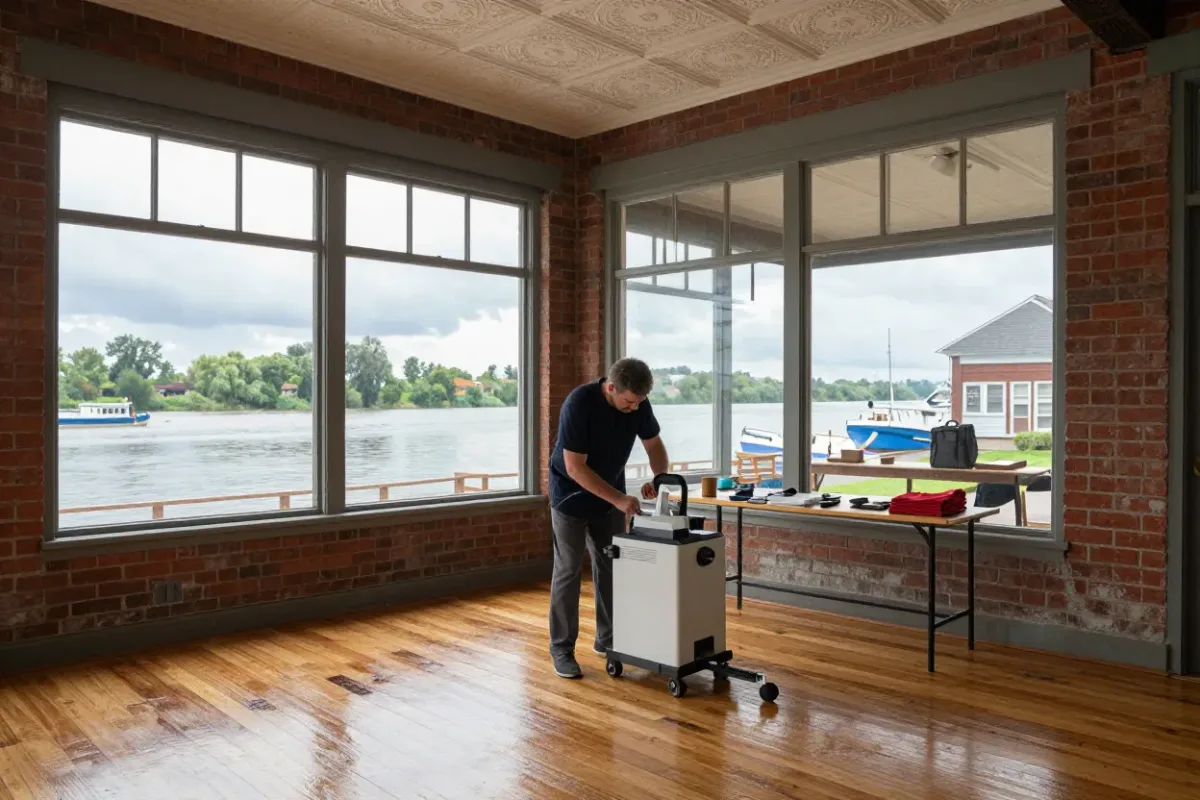
Cocoa is a small, older city on the western shore of the Indian River Lagoon in central Brevard County, linked to Merritt Island and Cocoa Beach by the State Road 520 causeway. Its historic downtown, Cocoa Village, sits right on the riverfront with Riverfront Park and Lee Wenner Park, while farther inland the city holds some of the highest ground in the county. That mix of a low waterfront and higher interior means water damage here takes two forms: surge and boat wreckage at the river's edge, and rain, drainage and plumbing failures in the neighborhoods behind it. Water Damage Florida provides 24/7 water damage restoration in Cocoa for both.
Our crews cover the Village, the older residential streets around it and the neighborhoods to the south and west, arriving with extraction, drying and containment equipment on every call. If water is in your home or business now, call (888) 435-4769 and we will get a team moving.
Emergency Water Damage Help in Cocoa
Hurricane Irma in 2017 is the storm Cocoa measures others against. Surge from the river flooded Harrison Street in the Village, dozens of unmoored boats had to be cleared from the waterfront, and the damage led the city to replace a wooden boardwalk with concrete overlooks. Away from the river, Irma dropped about nine inches of rain in two days, flooded southwestern neighborhoods, broke a major water main under the river, washed out Indian River Drive near Sunset Terrace and knocked out power to most of the city's wastewater lift stations. Hurricane Ian in 2022 was milder, with boats striking the Cocoa Village seawall but no structural damage reported.
Emergency calls after storms like Irma come from every direction at once: brackish water in ground-floor shops, rain through roofs in the older neighborhoods, sewage backing up where lift stations lost power. Our crews carry pumps, extractors, air movers, dehumidifiers and generator power so the first visit can stop the source, remove standing water, cut out ruined materials and start drying regardless of the grid. Photos and moisture readings from that visit begin your insurance file. Our emergency water damage page has more on those first hours.
Restoring Older Homes and Village Storefronts
Cocoa's housing stock is older and centered on its historic downtown, and the city has pursued downtown revitalization with public infrastructure funding. Restoring water damage in that setting means working with original wood floors, plaster, brick and the storefront details that give the Village its character, alongside the concrete-block homes of the mid-century neighborhoods around it. We map moisture with meters and thermal imaging first, then decide, material by material, what can dry in place and what has to come out.
Drying in Cocoa's humid climate happens inside a closed building with dehumidifiers sized to the space and air movers aimed at the wet assemblies. Readings are logged every day and the drying phase ends only when each material reaches its dry standard. Where the water was contaminated we clean and treat before rebuilding, and where it was clean we move straight to repair. Our water damage restoration service page walks through the full scope.
Flood Cleanup on the Riverfront and Inland
Cocoa Village, Riverfront Park and Indian River Drive sit directly on the lagoon, and a hurricane pushing water up the river can put it in the streets and ground floors there within hours, along with the silt, debris and loose boats that come with it. Inland, the story is rain: Irma's nine inches in two days flooded the southwestern neighborhoods even though the city's average elevation is higher than most of the county, because water still has to travel through streets and drains to reach the river.
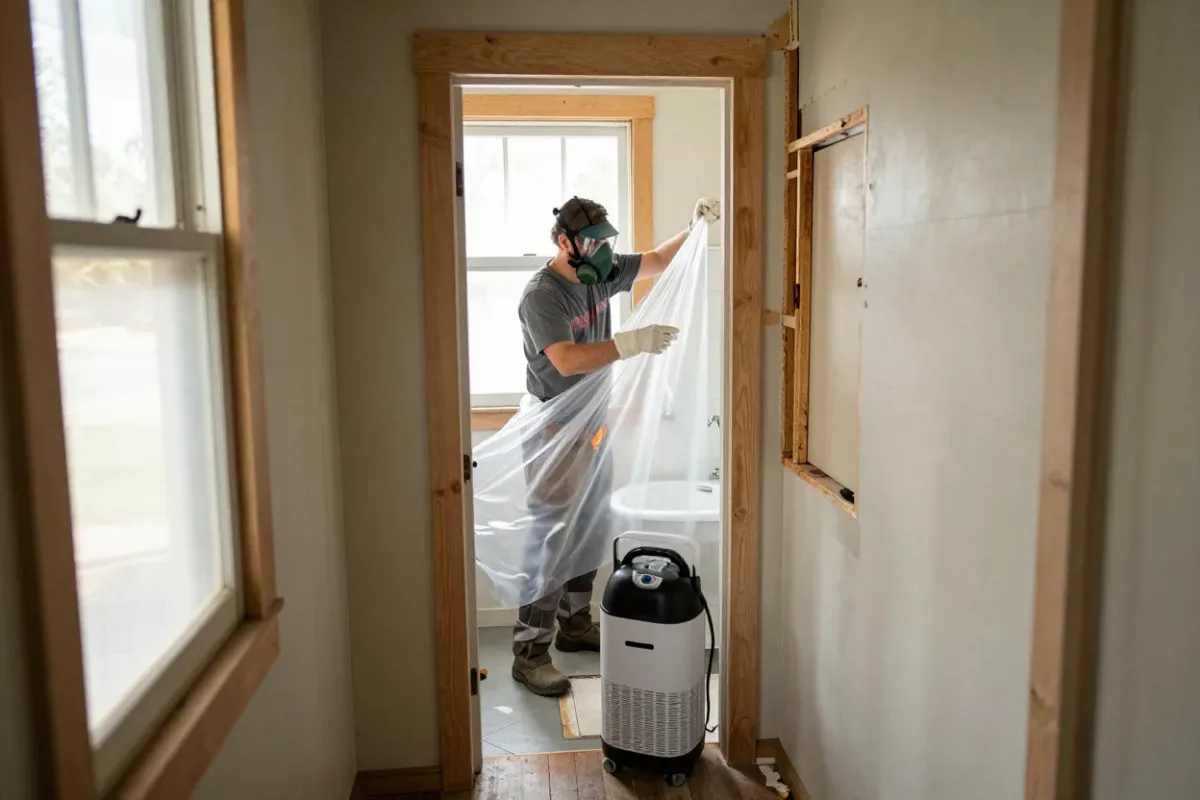
Whether it came from the river or the street, flood water is contaminated, and where lift stations lost power it may carry sewage. Flood cleanup removes the porous materials it soaked, including carpet, pad, lower drywall, insulation and cabinet bases, cleans and disinfects the hard surfaces that remain, and runs air filtration while the structure dries. Brackish river water also corrodes wiring and fixtures, so we flag those for inspection. See our flood restoration page for the full process and our guide to the first 24 hours after a flood if water is in your building now.
Water Damage Repair That Fits the Building
After moisture readings confirm the structure is dry, repair rebuilds what was removed. In a Village storefront that can mean refinishing wood floors, patching plaster, repairing brick and matching trim so the shop reopens looking like itself. In the residential neighborhoods it is usually lower drywall, baseboards, flooring, cabinet bases, insulation and paint. Where a storm damaged the roof or exterior, that work comes first so the interior is protected.
We keep the repair scope tied to the mitigation record so your adjuster sees one consistent account from arrival to completion. For business owners, we schedule around reopening; for families staying in the home, we sequence the rebuild room by room and keep construction contained from the rest of the house.
Mold Removal in Cocoa's Older Buildings
Older buildings give mold more places to hide. In Cocoa's historic homes and storefronts, growth after water damage tends to appear inside wall cavities behind plaster, under wood floors, in the crawl area beneath a raised house, and on the back of built-in cabinets. In block homes it starts behind baseboards and under sink bases. After a storm-related power outage, the still humid air inside a closed building speeds all of it along.
Our mold removal begins with correcting the moisture source, then isolates the affected area under negative air pressure, removes and bags affected porous materials, HEPA-vacuums and cleans what remains, and dries the space to verified readings before any rebuild. Painting over growth is not something we do. Our mold remediation page and our guide to hidden mold after water damage explain what to expect.
Leading Causes of Water Damage in Cocoa
A small older city with a riverfront downtown and higher ground inland sees water losses from a specific mix of sources. In Cocoa we most often respond to:
- River surge and boat wreckage pushing water into Cocoa Village and Indian River Drive properties
- Multi-day tropical rainfall flooding the southwestern neighborhoods
- Sewage backups when lift stations lose power during storms
- Water main breaks and aging supply lines in older homes and commercial buildings
- Roof, flashing and window leaks in historic and mid-century structures
- Water heater and appliance failures in utility rooms and kitchens
- Air conditioning condensate overflows in the humid months
- Interior humidity damage while buildings sit closed without power after a storm
The Eight Steps We Follow
From a wet Village shop to a flooded home on the west side, every job follows this sequence, and each stage is verified before the next starts.
- InspectionWe confirm the source is controlled, classify the water as clean or contaminated, and trace moisture through walls, floors, crawl spaces and cabinets with meters and thermal imaging.
- ExtractionPumps and extraction units remove standing water from storefronts, ground floors and slab rooms, with generator power when the grid is down.
- Removal of unsalvageable materialsWet drywall, insulation, carpet pad and swollen cabinetry are cut out and bagged; original wood, plaster and brick are kept whenever readings allow.
- Drying and dehumidificationAir movers and dehumidifiers run in the closed building, with readings logged daily until each material reaches its dry standard.
- Cleaning and disinfectionSurfaces reached by river, street or sewage-contaminated water are cleaned and treated, and air scrubbers filter the space throughout.
- DocumentationA written scope, moisture log, equipment record and photo set are prepared for the owner and for the carrier handling the claim.
- RepairFloors, plaster, drywall, trim, cabinets and paint are restored to match the building, with exterior repairs completed first after a storm.
- Final verificationClosing moisture readings and a walkthrough confirm the property is dry and finished.
Where We Work in Cocoa
We serve the whole city, from the riverfront district and the historic streets around it to the residential neighborhoods spreading south and west onto the county's higher ground.
Cocoa Neighborhoods
Nearby Central Brevard Communities
Our Cocoa crews also cover the neighboring communities along the lagoon, across the causeway and inland. Several have their own pages:
What to Do Right Now
These steps are safe for most homeowners and business owners in Cocoa and will limit the damage before we arrive. Skip anything that would require stepping into water.
- Stop the flowClose the fixture valve or the main shutoff for a plumbing failure. If the city's water main or a sewer backup is involved, call the city as well as us.
- Keep clear of water near electricityDo not enter standing water that may be touching outlets, cords, equipment or the panel. Kill power to the wet area at the breaker only when the panel is dry and reachable.
- Treat river, street and backup water as contaminatedWater from the lagoon, a flooded street or a sewer backup is not safe to touch. Keep people and pets away and leave the cleanup to the crew.
- Move inventory and belongings upCarry merchandise, furniture, rugs and electronics to a dry area, or set them on blocks so they are not sitting in water.
- Photograph everything firstTake pictures and video of the source, the water line and each affected room before anything is moved. This record supports your claim.
- Keep the building cool and closedIf you have power, run the air conditioning and keep doors and windows shut. Opening up the building lets humid air in and slows everything down.
- Call Water Damage FloridaReach us at (888) 435-4769 with the source, the timing and whether the property is a home or business so we can plan equipment and access.
Ahead of the next season, read our hurricane water damage recovery guide for preparation and recovery steps for riverfront and inland properties alike.
Cocoa Water Damage FAQs
Do you handle water damage in Cocoa Village businesses?
Yes. We restore storefronts, restaurants, galleries and offices in the Village as well as homes. Commercial jobs are scheduled around reopening, with containment to keep unaffected areas usable and documentation prepared for the business's carrier.
What if sewage backed up into my home when the lift stations lost power?
Sewage-contaminated water calls for removal rather than drying of everything porous it touched, thorough cleaning and disinfection of hard surfaces, and air filtration during the work. Keep everyone out of the affected rooms and call us; do not try to clean it yourself.
My house is on the higher ground inland. Do I still need to worry about flooding?
Higher elevation helps with river surge, but rain is another matter. Irma's nine inches in two days flooded southwestern neighborhoods well away from the river, because water still has to move through streets and drains to get out. Slab homes on flat lots are the most exposed.
Can the original wood floors and plaster in an older Cocoa home be saved?
Often, yes, when drying starts early and is monitored with moisture readings. We open only what readings show is trapping water and keep original materials wherever they will return to a dry standard.
Will you work with my insurance adjuster?
We provide arrival photos, daily moisture logs, equipment records and a written scope, and we answer the adjuster's questions about what was removed and why. The claim stays in your hands.
Do your Cocoa crews also cover Rockledge, Merritt Island and Port St. John?
They do. We serve all of central Brevard County on both sides of the lagoon, and Water Damage Florida operates statewide. Our service areas page lists nearby communities.