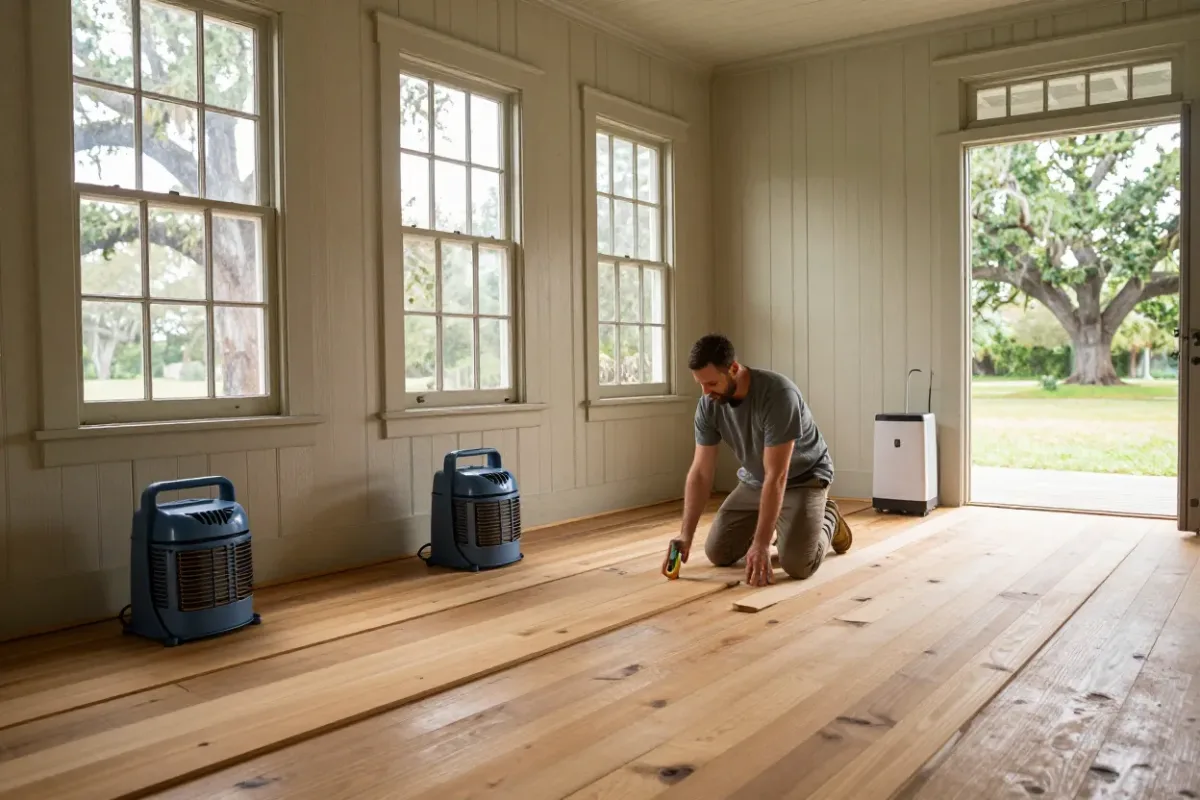
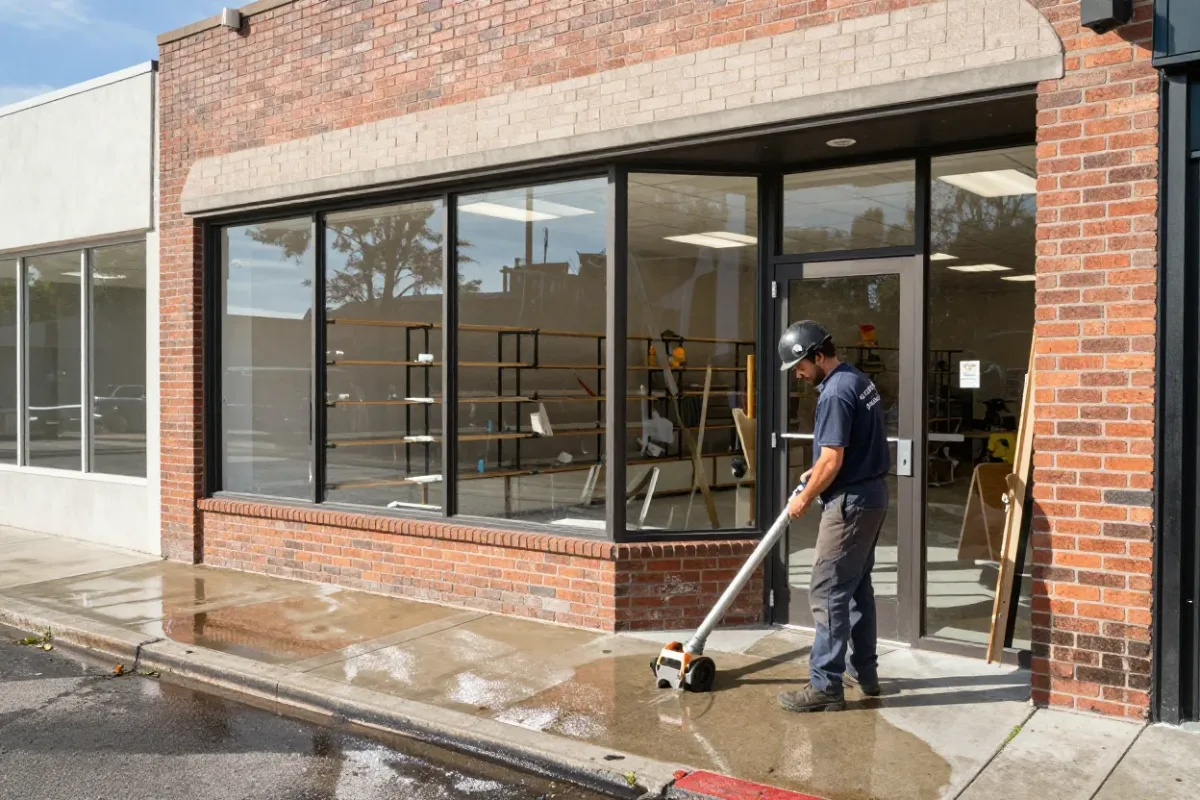
Melbourne is the commercial hub of southern Brevard County, a mid-sized city on the Space Coast that lies mostly on the mainland along the western shore of the Indian River Lagoon, with a small beachside portion on the barrier island reached by causeway. Two waterways run through it: Crane Creek passes the original downtown, and the Eau Gallie River winds through the former city of Eau Gallie, which merged with Melbourne and is now its northern district with its own arts district. Water Damage Florida provides 24/7 water damage restoration in Melbourne, from a flooded storefront on a creekside street to a leaking condominium on the beach.
Our crews cover the historic core, the mid-century and newer suburbs spreading west, and the beachside section across the lagoon. They arrive with extraction and drying equipment on the truck and begin recording moisture readings and photos the moment they walk in. Call (888) 435-4769 at any hour to reach us.
Emergency Water Damage Response in Melbourne
Melbourne has a record of rain that other cities do not. Tropical Storm Fay in 2008 dropped record rainfall on the city, flooding roughly eighty neighborhoods and filling a few hundred homes in the southeast with several feet of water. Hurricane Erin in 1995 set a single-day rainfall record for Melbourne as well. Wind has left its mark too: during Hurricane Jeanne in 2004 the National Weather Service office in Melbourne recorded the strongest sustained winds in Florida, and a local shelter lost its roof. More recently, Hurricane Nicole in 2022 made landfall just south at Vero Beach, with Melbourne among the stations reporting its winds.
The emergencies those events produce are rain through damaged roofs, creek and street water in ground floors, and long power outages that leave wet buildings sitting in humid air. Our crews carry pumps, extractors, air movers, dehumidifiers and generator power, and the first visit is spent stopping the source, removing standing water, cutting out ruined materials and getting air moving. The moisture readings and photos taken on arrival become the foundation of your insurance documentation. Our emergency water damage page explains those first hours in more detail.
Restoring Frame Houses, Suburban Homes and Beachside Condos
Melbourne's building stock spans more than a century. The older core, including downtown and Eau Gallie, holds early-1900s frame vernacular buildings with wood siding, raised floors and plaster or beadboard walls. Mid-century and newer suburban housing on slab spreads west from there, and the small beachside section has condominiums and single-family homes on the barrier island. Each type holds and releases water differently, and we plan the restoration around the specific construction after mapping moisture with meters and thermal imaging.
Old frame houses can often be dried in place because air reaches the framing from more than one side, but they hide water in floor cavities and behind lath. Slab homes concentrate damage in the lower walls and cabinets. Condos require tracing water through adjoining units and working with management. In every case, drying happens in a closed building with dehumidification sized to the space, and the phase ends only when moisture readings confirm each material is dry. See our water damage restoration service page for the complete scope.
Flood Cleanup from Crane Creek to the Causeways
Downtown and most of Melbourne sit inland of the lagoon but are crossed by Crane Creek and the Eau Gallie River, and when a slow tropical system parks over the city those waterways and the storm drains that feed them fill quickly. Fay's flooding reached deep into residential neighborhoods, especially in the southeast, and left homes standing in water for days. Along the lagoon and on the beachside, wind-driven water and surge during a hurricane add a second flood source to the same storm.
Water from a creek, a river, the lagoon or a flooded street is contaminated. Flood cleanup therefore means removing what it soaked, including carpet, pad, lower drywall, insulation and cabinet bases, then cleaning and disinfecting the hard surfaces that remain and running air filtration while the structure dries. Electrical components that sat in water are flagged for inspection. Our flood restoration page covers the full process, and if water is in your home now, our guide to the first 24 hours after a flood explains what to do until we arrive.
Water Damage Repair Across the City
Once readings confirm the structure is dry, repair rebuilds what was removed. In the historic core that can include replacing individual siding boards, patching plaster, refinishing pine floors and matching beadboard and trim that has been in place for a century. In the western suburbs it is usually lower drywall, baseboards, flooring, cabinet bases and paint. On the beachside it may mean coordinating with a condo association on shared walls, ceilings and common areas.
We keep the repair scope tied to what was documented during mitigation, so your adjuster sees one consistent record from arrival to finish. Where wind damaged the roof, windows or sliding doors, the building is made weather-tight before interior finishes go in, so the next rain does not undo the drying. Business owners downtown and in the Eau Gallie Arts District get a schedule built around reopening as soon as it is safe to do so.
Mold Removal in Melbourne
In Melbourne's older frame houses, mold after water damage tends to grow where air does not reach: inside wall cavities behind lath and plaster, under raised floors, and in the crawl area beneath a kitchen or bath. In slab homes it starts behind the baseboards and under cabinets, and in beachside condos it appears on the drywall below a unit that leaked and in closets on shared walls. Humid air after a storm-related power outage accelerates all of it.
Our mold removal corrects the moisture source first, then contains the affected area under negative air pressure, removes and bags the affected porous materials, HEPA-vacuums and cleans the surfaces that remain, and dries the space to verified readings before any rebuild. We do not treat visible growth with paint or spray and call it done. Read our mold remediation page and our article on hidden mold after water damage for more.
Typical Causes of Water Damage in Melbourne
A city with a century-old core, two creeks, a lagoon shoreline and a beachside section sees water losses from many directions. The ones we handle most often are:
- Record-setting tropical rainfall overwhelming streets, storm drains and creekside neighborhoods
- Crane Creek, Eau Gallie River and lagoon water rising into low-lying properties
- Roof, siding and window damage from hurricane-force winds
- Aging plumbing in early-1900s frame buildings downtown and in Eau Gallie
- Unit-to-unit leaks from supply lines and water heaters in beachside condominiums
- Washing machine, dishwasher and water heater failures in mid-century suburban homes
- Air conditioning condensate overflows during the humid months
- Humidity damage inside closed buildings during extended power outages
Our Eight-Stage Restoration Method
Every Melbourne job, from a wet storefront to a flooded suburban home, follows this order. Each stage is checked before the next begins.
- Inspection and mappingWe confirm the source is controlled, classify the water, and trace moisture through walls, floors, crawl spaces and adjoining units with meters and thermal imaging.
- Water extractionStanding water is pumped and extracted from floors, storefronts and ground-level rooms, with generator power when the grid is down.
- Removal of unsalvageable materialsWet drywall, insulation, carpet pad, swollen cabinetry and contaminated finishes are cut out and bagged; historic wood and plaster are kept whenever readings allow.
- Structural dryingAir movers and dehumidifiers run in the closed building, and moisture is logged daily until each material reaches its dry standard.
- Cleaning and treatmentSurfaces reached by creek, street or long-standing water are cleaned and treated, with air scrubbers running throughout.
- DocumentationYour file is assembled with photos from arrival through drying, the daily readings, equipment records and a scope that names every material removed.
- Repair and rebuildSiding, plaster, drywall, flooring, trim, cabinets and paint are restored to match the building.
- Final verificationClosing moisture readings and a walkthrough confirm the space is dry and finished.
Melbourne Neighborhoods We Serve
We respond throughout the city, from the historic downtown along Crane Creek and the Eau Gallie district to the north, across the suburbs spreading west, and over the causeways to the beachside on the barrier island.
Areas Within Melbourne
- Downtown Melbourne
- Eau Gallie
- Eau Gallie Arts District
- Melbourne Beachside
Nearby Space Coast Communities
The same crews cover the towns and communities surrounding Melbourne on the mainland and along the beaches. Several have their own service pages:
What to Do in the First Hour
These steps are safe for homeowners, tenants and business owners in Melbourne and will reduce what has to be replaced. Skip any step that would require stepping into water.
- Stop the sourceClose the fixture valve or the main shutoff for a plumbing leak. In a condo or commercial building, alert management so a shared line can be isolated.
- Keep away from water near powerDo not enter standing water that may be touching outlets, cords, equipment or the panel. Only shut off circuits at a panel that is dry and can be reached without crossing water.
- Treat creek and street water as contaminatedWater from Crane Creek, the Eau Gallie River, the lagoon or a flooded street is not safe. Keep people and pets out and leave the cleanup to our crew.
- Raise what you canMove inventory, furniture, rugs and electronics to a dry area, or set them on blocks so they are not sitting in water.
- Photograph before moving anythingTake pictures and video of the source, the water line and each affected room. This record supports your claim.
- Keep the building cool and closedIf you have power, run the air conditioning and keep windows shut. An open window lets in more humidity than it lets out.
- Call Water Damage FloridaReach us at (888) 435-4769 with the source, the timing and whether the property is a home, condo or business so we can plan equipment and access.
Before the next hurricane season, read the hurricane water damage recovery guide for a plan that covers preparation, the storm and the days after.
Melbourne Water Damage FAQ
Do you restore commercial buildings in downtown Melbourne and the Eau Gallie Arts District?
Yes. We handle storefronts, restaurants, galleries and offices as well as homes. Commercial work is scheduled around reopening, with containment that keeps the rest of the space usable where possible and documentation prepared for the business's carrier.
My house is an old frame building in Eau Gallie. Can it be dried without tearing out the walls?
Often, yes. Wood framing, raised floors and plaster can dry in place when we start early and control the process. We map moisture with meters, open only what readings show is trapped, and keep original materials wherever they will return to a dry standard.
Is flooding from Crane Creek handled differently from a plumbing leak?
It is. Creek, river and street water is contaminated, so porous materials it soaked are removed rather than dried, hard surfaces are disinfected and air filtration runs during the work. A clean plumbing leak caught quickly lets us save far more material.
Do you work on the beachside as well as the mainland?
We do. Our crews serve the beachside section across the causeways, including condominiums where we trace water through adjoining units and coordinate with the association, as well as the mainland neighborhoods.
What if the power is out after a storm?
We bring generator power for extraction and drying equipment, so mitigation starts without waiting for utility service. Once power returns we switch over to house circuits and keep drying.
Which surrounding communities do your Melbourne crews cover?
We serve all of southern Brevard County, including Palm Bay, West Melbourne, Indialantic, Satellite Beach, Suntree and Viera, and Water Damage Florida operates statewide. See our service areas for more.